1. Safety talk
The team explains how to avoid sticks, what to do if someone is exposed and who should stay out of the area.
Sycamore, IL · DeKalb County
Clearing out a relative's home or a storage unit in Sycamore and found syringes? Call (877) 812-4220. A cleanup team can search every drawer, remove the sharps and disinfect the area.
If anyone is in danger, call 911 first. For a suicide crisis, call or text 988.
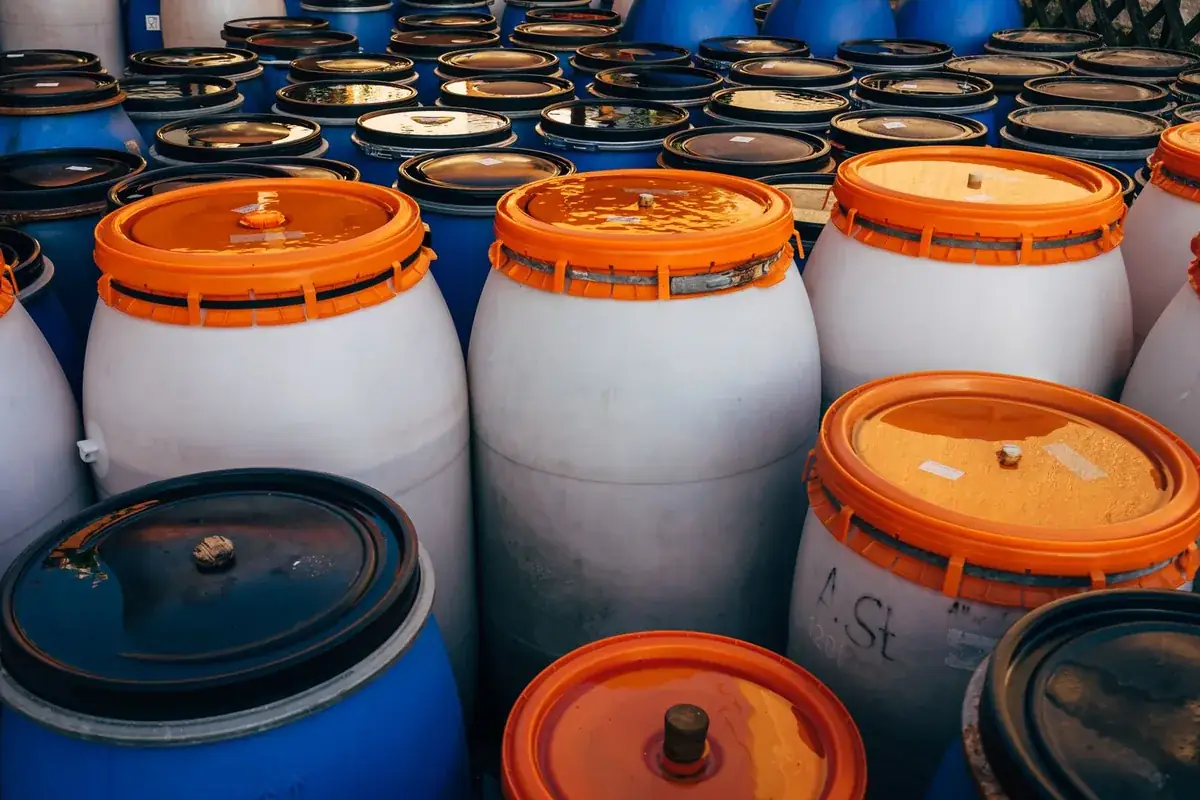
Needle and sharps cleanup is the safe search, collection and disposal of used needles, syringes, lancets and other sharp objects. Cleanup crews use tools instead of bare hands and seal each item in a puncture-resistant container.
You will not be judged when you call Sycamore Biohazard Cleanup Help about needles in Sycamore or DeKalb County. Crews focus on making the property safe and on disposing of sharps properly, following the rules for regulated medical waste.
The vacancy rate in DeKalb County is only about 5%, so most needle calls come from occupied homes, rentals, yards and businesses. A stick, cut or splash should be checked by a doctor without delay. Northwestern Medicine Kishwaukee Hospital in Dekalb serves people in and around Sycamore.
The work often covers:
The team explains how to avoid sticks, what to do if someone is exposed and who should stay out of the area.
Crews check under rugs, inside vents, in pockets of clothes and in other spots where syringes are tucked away.
Everything is hauled off as regulated waste. Nothing is thrown out with household trash.
The crew removes the containers, double-checks the space and answers questions before leaving.
The cost of needle & sharps cleanup in Sycamore, IL depends on the amount of material, how it is packed and how it is hauled.
Hidden spots slow the work. Cluttered rooms, dense brush and storage areas take longer to search than clear, open ground.
| Type of job | Typical range |
|---|
Estimates only, not a quote. Sources: . Price drivers include number of items, where they are found, whether a sweep of a large area is needed, waste disposal. Call (877) 812-4220 to talk through the job.
Loose needles should not go in household trash, because they can stab sanitation workers. Rules for small amounts of household sharps vary by city and county. The local health department can say what is allowed, and a cleanup team can take larger amounts.
Stay back and keep children and pets away. Do not pick it up. Note where it is and call the local health department or a cleanup team. If anyone is stuck or cut, wash with soap and water, get medical care, and call 911 in an emergency.
It is a rigid, puncture-resistant box with a locking lid, made to hold needles, syringes, lancets and blades. Cleanup teams use them to seal sharps for transport. Containers should not be overfilled or opened again once locked.
They can be tucked into couch cushions, mattress seams, drawers, vents and ceiling tiles. That is why a sharps sweep covers more than the floor. Crews check hidden spots with tools and light before declaring a room clear.
A used needle can carry bloodborne pathogens such as hepatitis B, hepatitis C and HIV. The chance of infection from one stick depends on many things, and a doctor can explain what applies. Get medical care promptly after any stick or cut.
Sometimes. Some homeowners and renters policies cover cleanup after a covered event, and many do not cover needles on their own. Call your insurance company before work starts, take photos from a safe spot, and keep every receipt. Check your policy rather than assuming.
Describe what you saw and where, and the team will explain the next step.
Call (877) 812-4220